UAE Coffee Culture
The History of Coffee in the UAE
How coffee traveled from Yemeni ports to Bedouin camps and became one of the defining rituals of Emirati life.
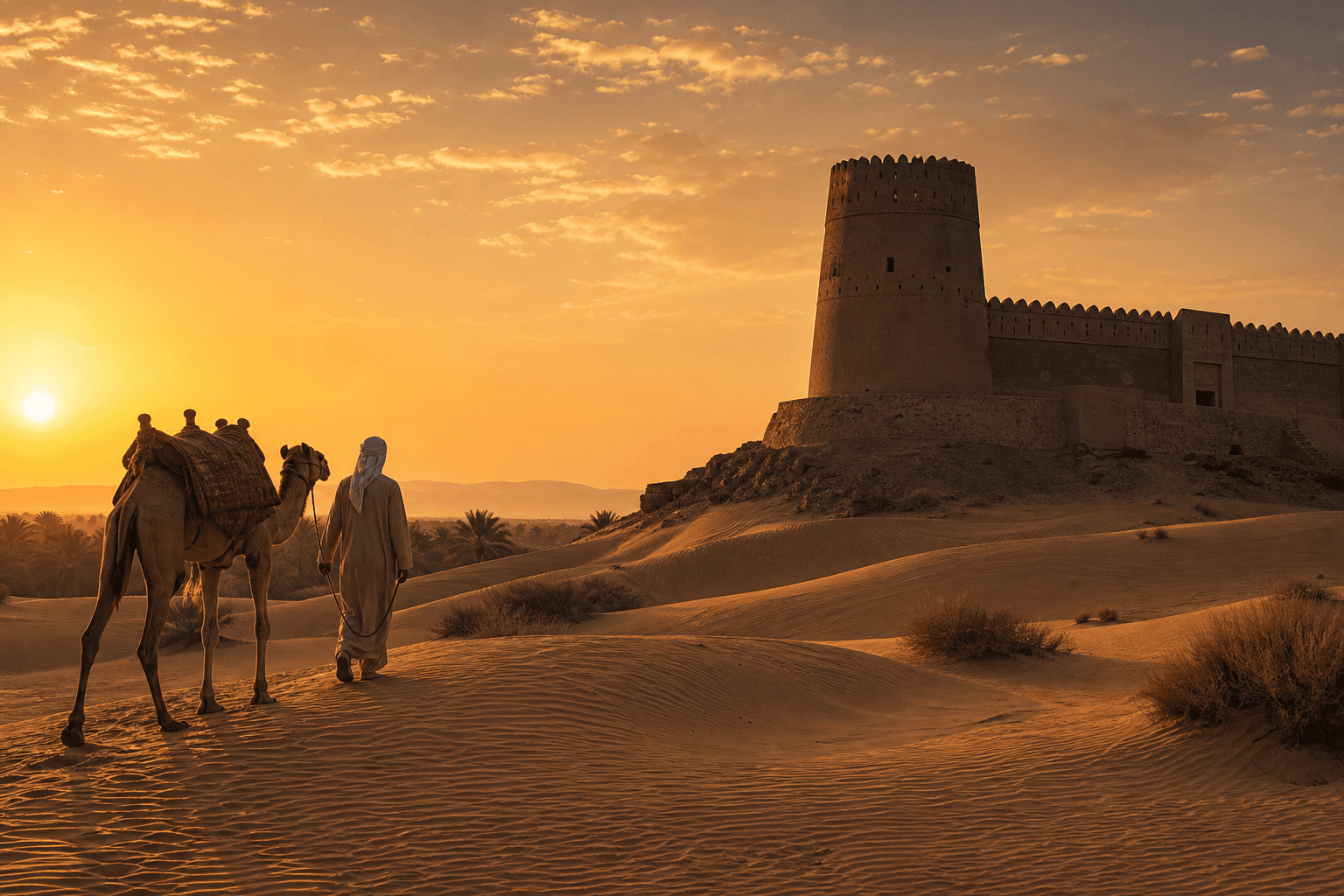
Coffee's journey into the Arabian Peninsula is generally traced back to Yemen in the 15th century, where beans first brought from the Horn of Africa were roasted, ground, and brewed into a drink that spread quickly along trade and pilgrimage routes. From Yemeni ports like Mokha, qahwa moved north and east across Arabia, reaching the settlements and Bedouin encampments of what is today the United Arab Emirates well before the modern state existed. In the desert and coastal communities that would become the UAE, coffee was never simply a commodity — it arrived alongside a code of conduct. Roasting beans over an open flame, grinding them by hand with a mortar and pestle, and brewing them in a long-spouted dallah became a daily task performed for guests as much as for the household. Archaeological and oral history both point to coffee gatherings as one of the oldest continuous social institutions in the region, predating oil, cities, and modern infrastructure by generations. Today, that history is preserved deliberately. Heritage villages, national museums, and UNESCO's recognition of Arabic coffee as an Intangible Cultural Heritage of Humanity (shared with Saudi Arabia, Oman, and Qatar) all treat the qahwa ritual as a living artifact of Gulf identity — not a museum piece, but a custom still practiced every day in homes and majlis sittings across the seven emirates.